Play Move Improve

Movement and development for educators

Look beyond the behaviour and notice the body

Practical articles for teachers and kindergarten teams who want to understand the strength, coordination, movement and developmental skills sitting underneath everyday learning and participation.

Featured perspective

Why I still want children to jump

Working with both children and older adults has changed the way I think about movement.

When I see a child running, climbing and jumping, I am thinking about leg strength, coordination and balance today, but I am also thinking about the relationship with movement we want them to carry into the decades ahead.

This is also where I explain why increasing sedentary screen time concerns me as an Exercise Physiologist, without blaming families or technology.

Read why I still want children to jump
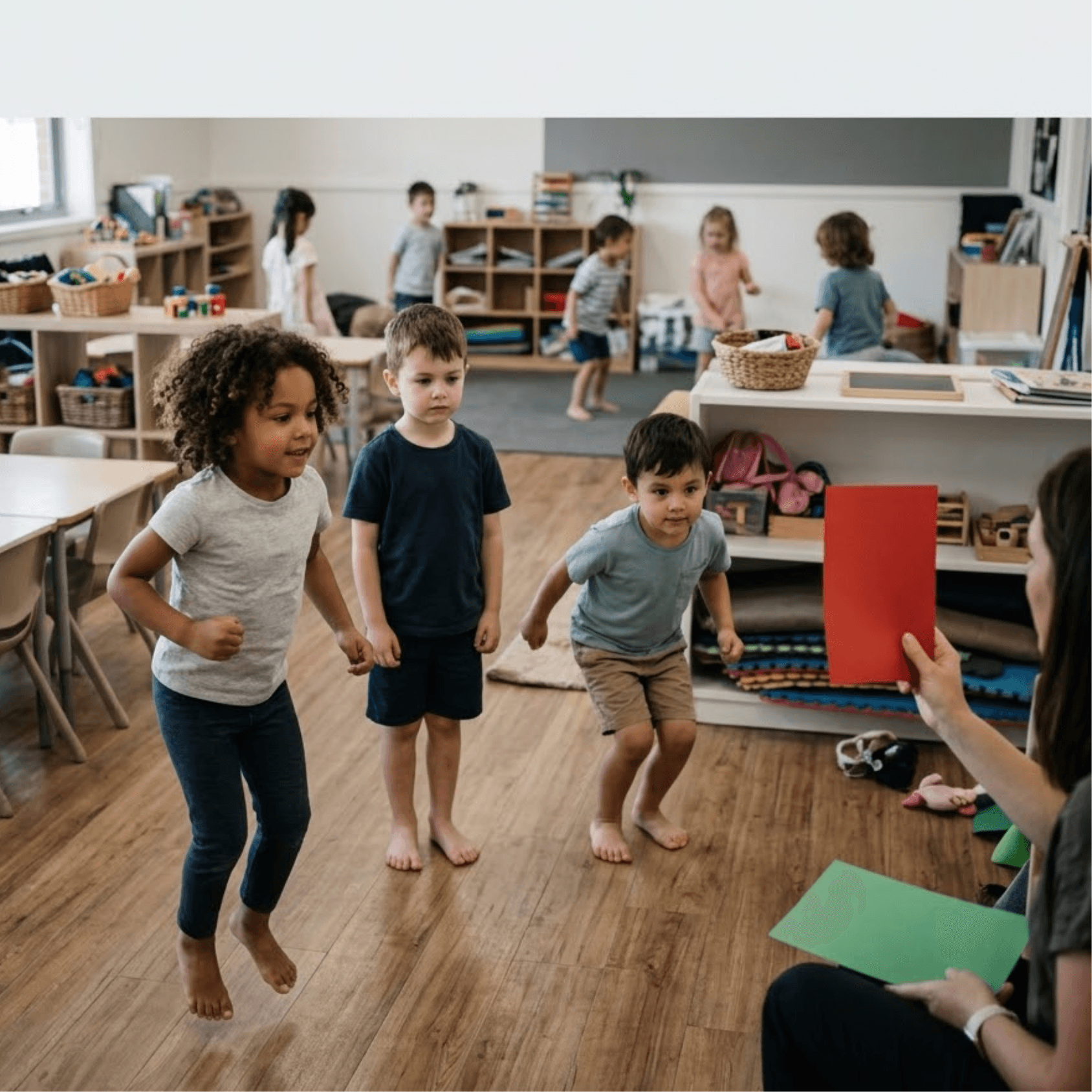
Children taking part in an active jumping and movement activity

What are you noticing in your room?

Everyday observations through a movement lens

These articles begin with the things educators actually see, then look underneath them using Exercise Physiology and developmental movement knowledge.

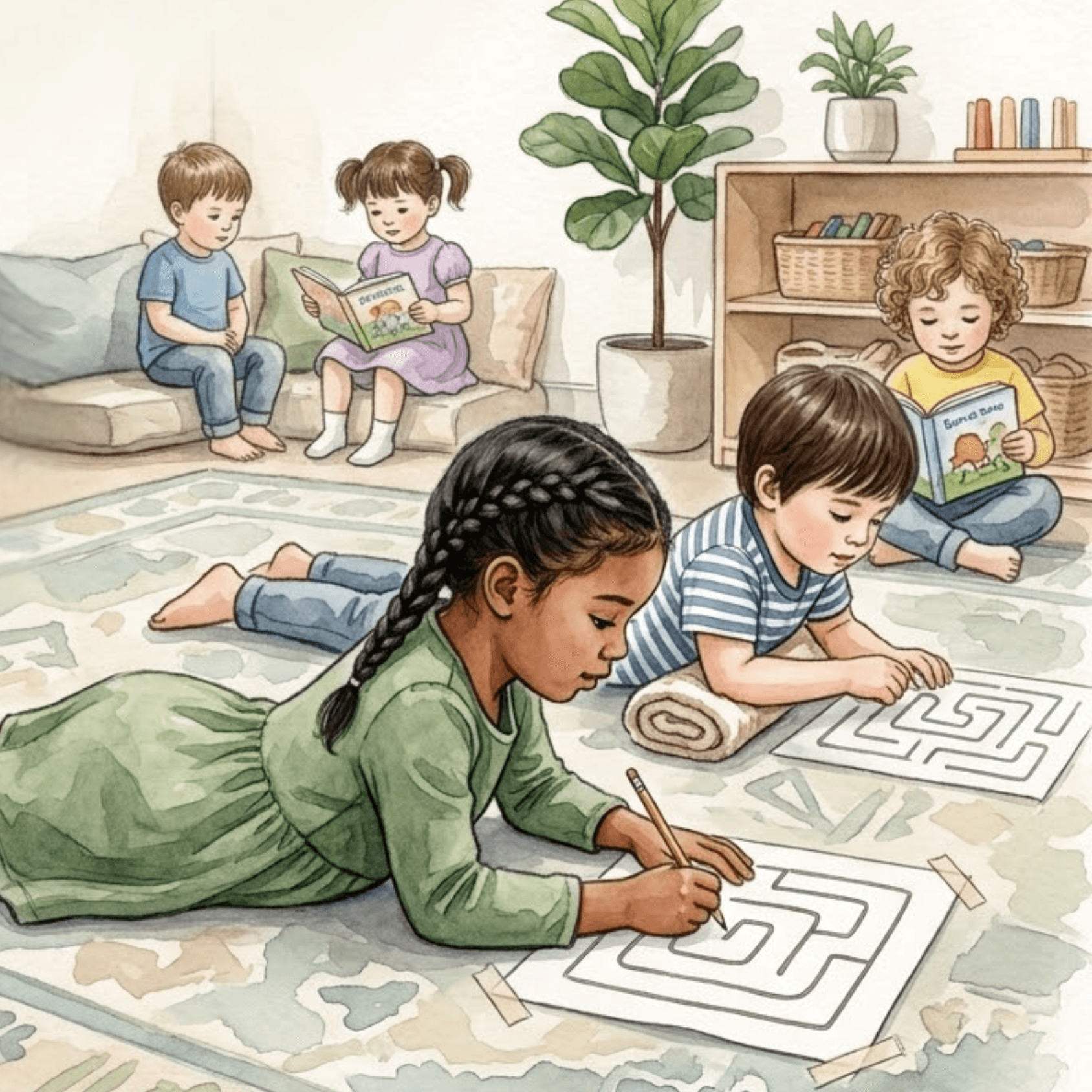
Children completing drawing activities while lying on their tummy
Posture and endurance

Why does this child always lean on the table?

Sometimes the child who looks like they are slouching is actually working much harder than we realise just to hold their body upright.

Read the article →
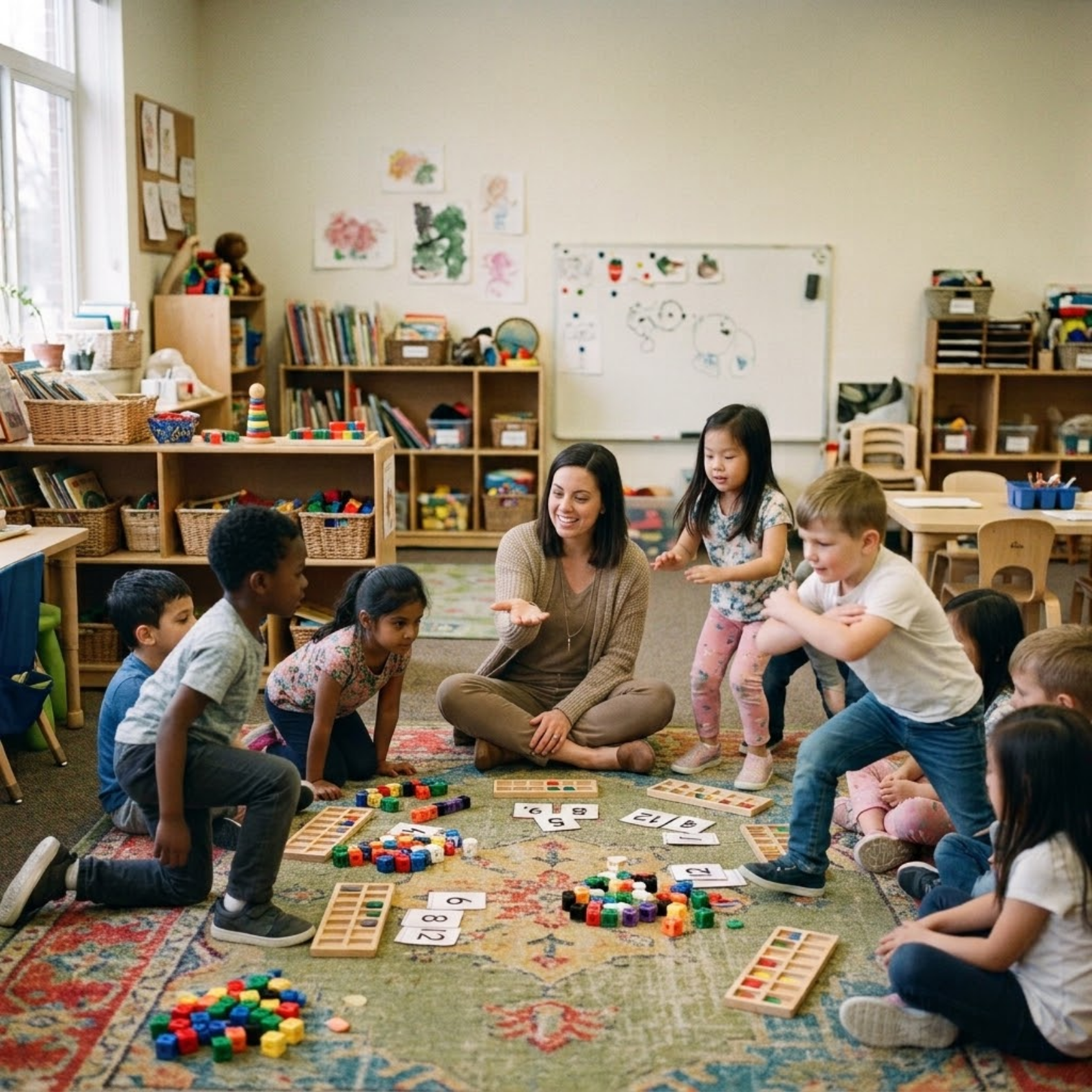
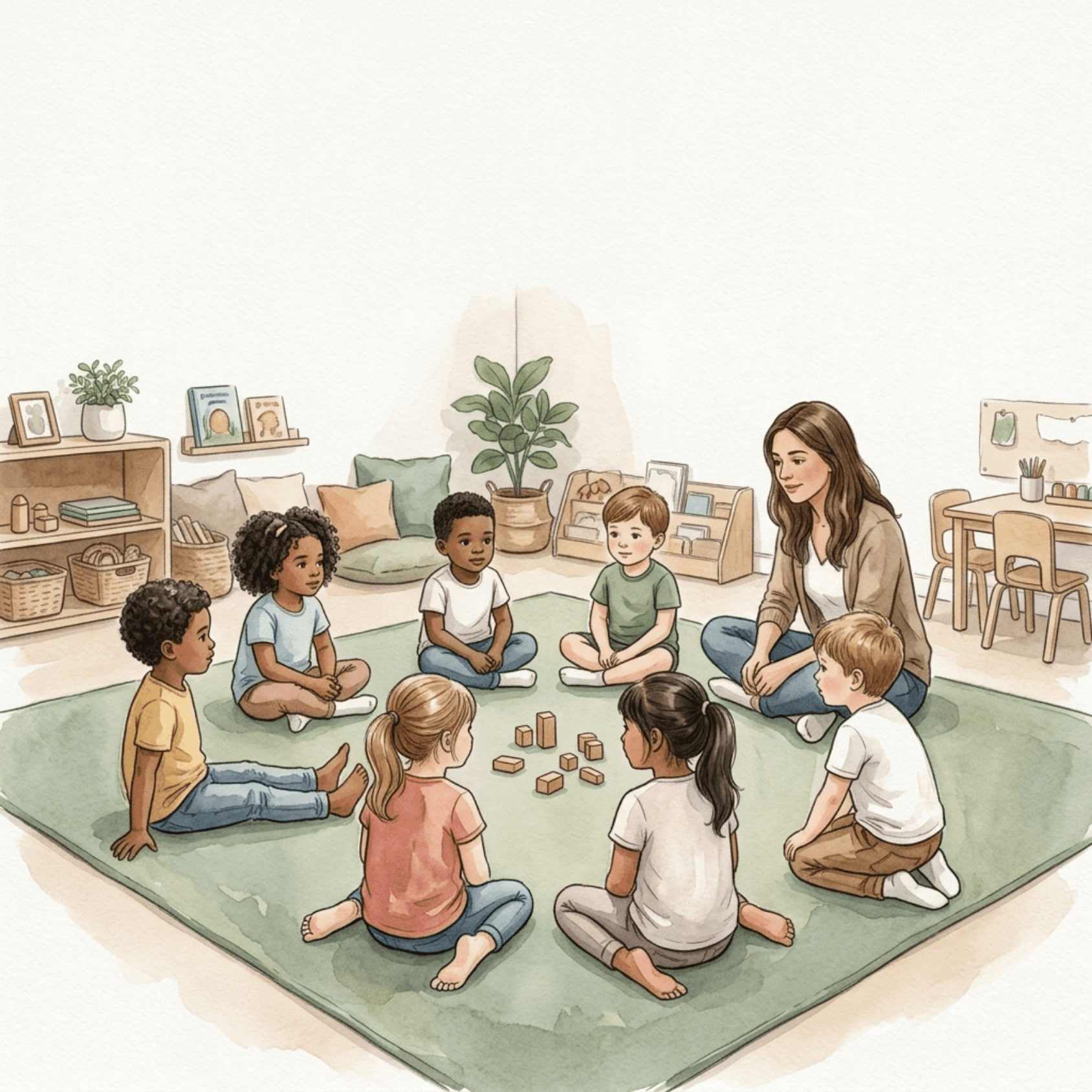
Children using a variety of sitting positions during floor time
Movement development

Seeing lots of W sitting? Look beyond the legs

Look at STNR, trunk strength, movement variety and flexibility rather than only focusing on the position of the legs.

Read the article →
Children standing up from a classroom rug after group time
Functional strength

Watch how children get up from the floor

A simple classroom transition can give us useful clues about strength, balance, mobility and motor planning.

Read the article →
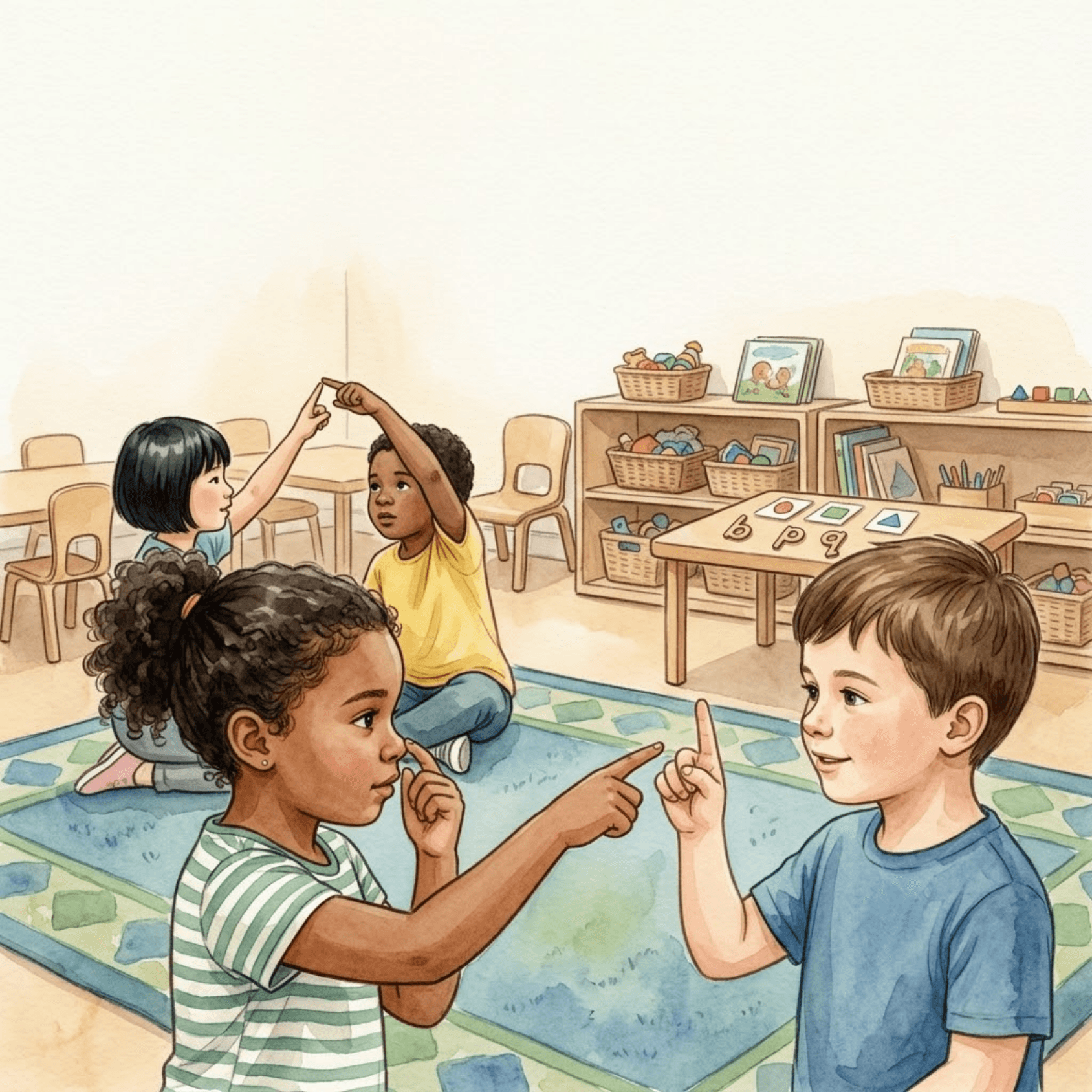
Children completing a partner spatial awareness activity
Spatial awareness

Spatial awareness is about more than personal space

Nose to finger tapping, Simon Says and real movement experiences can help children explore position, direction and space.

Read the article →
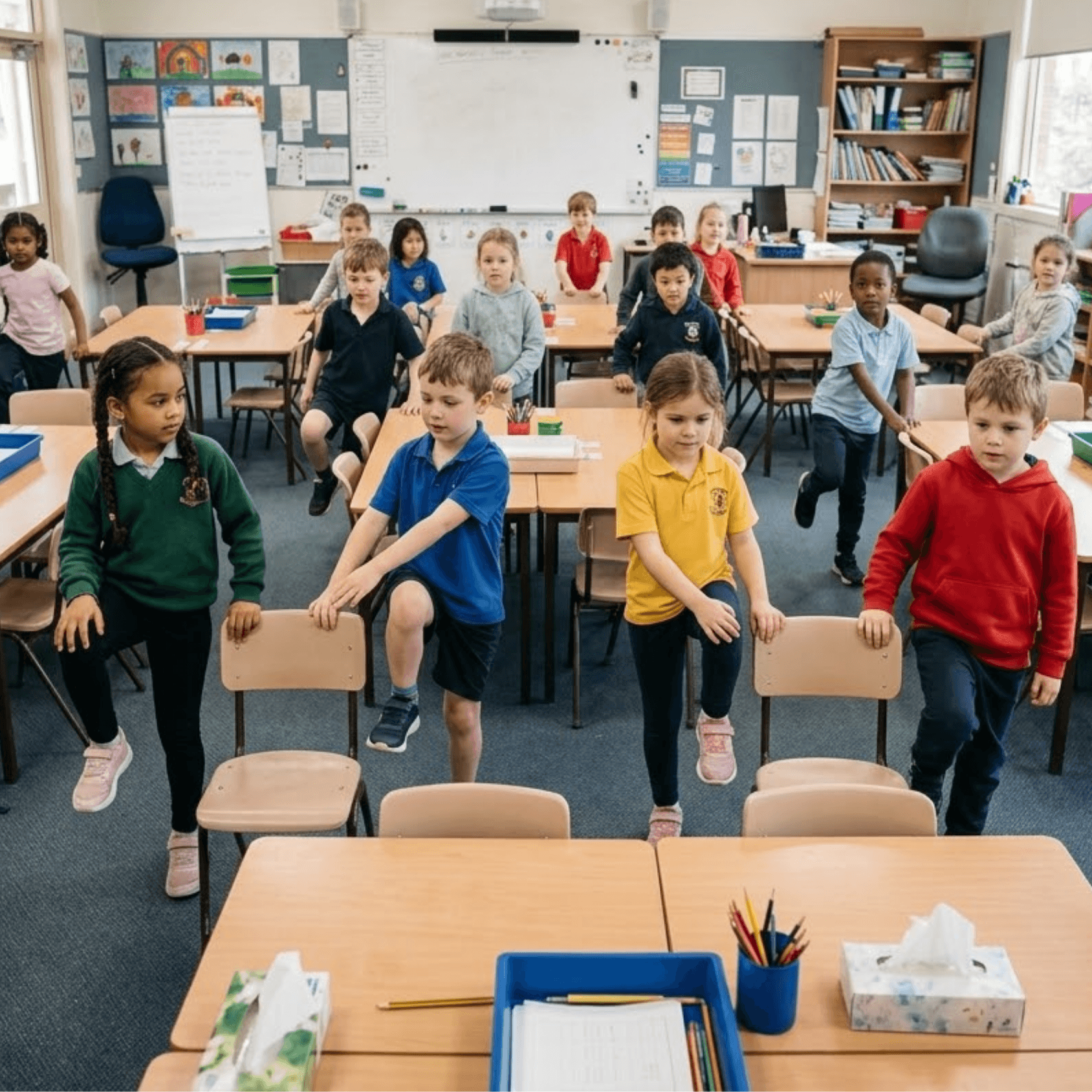
Child using a chair for support during a controlled movement activity
Core strength

Core strength in children is not about doing sit ups

Useful core strength helps children stabilise their body while their arms and legs get on with learning, playing and moving.

Read the article →
Children practising opposite hand to knee movements in a classroom
Coordination

Why do some children struggle with cross body movements?

Crossing the body can involve bilateral coordination, balance, trunk control, weight shifting and motor planning all at once.

Read the article →

Still to explore

More questions educators ask me

I am building this library around the movement questions that come up in real classrooms, rather than creating another collection of generic activity ideas.

Why does this child seem to tire before everyone else?
Why is crawling still useful after children can walk?
Coordination is much more than catching a ball
Why does this child always use furniture for support?
Why do some children avoid climbing and playground movement?
What does shoulder stability have to do with drawing and writing?
Why I use slow movement as well as fast movement with children
What can teachers notice when children balance on one leg?
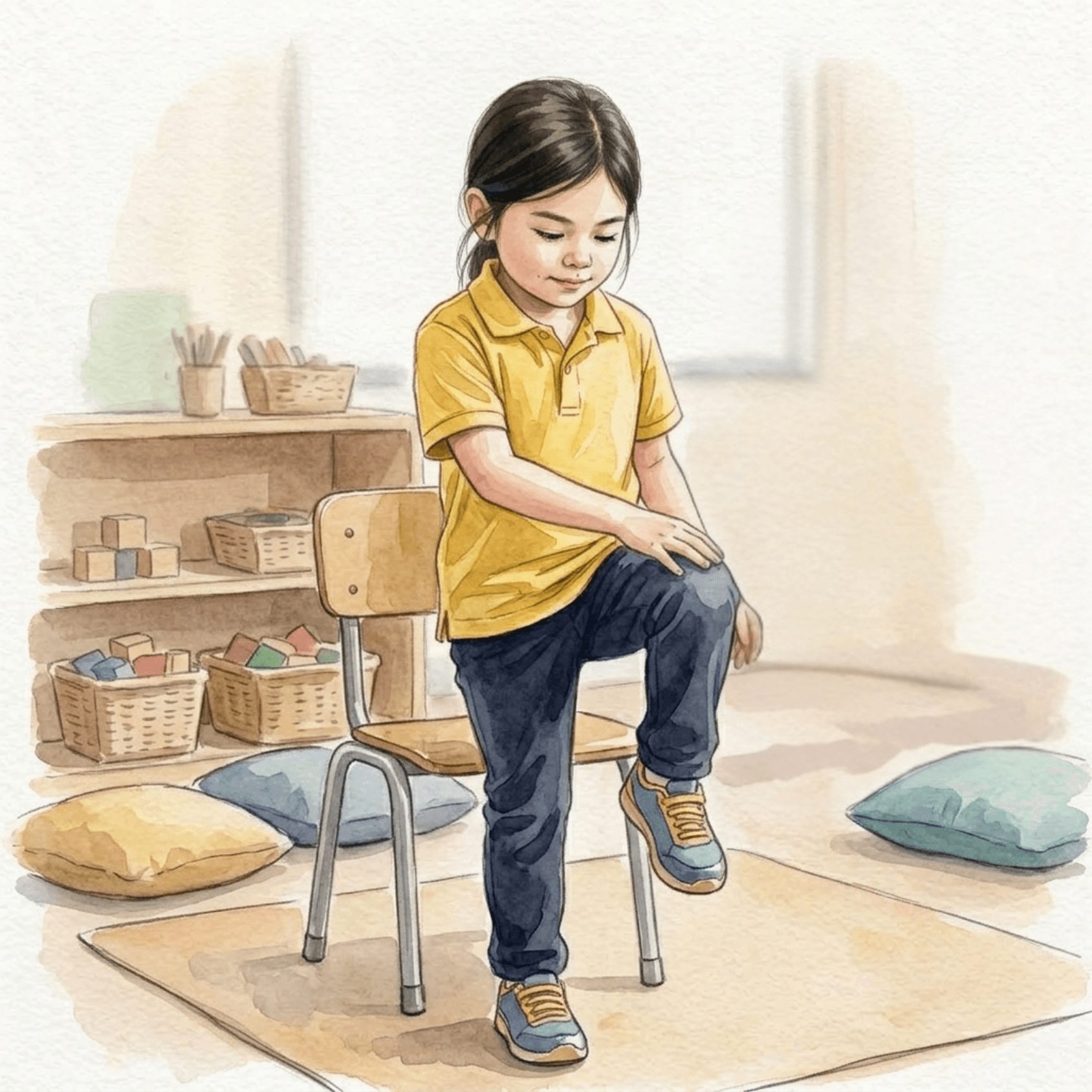
Child practising a supported movement activity beside a classroom chair

A movement lens

Why these articles are a little different

I am an Exercise Physiologist and Developmental Educator, so when I look at classroom participation I am interested in more than whether a child can complete the task.

I am looking at how much physical effort the task is taking. How the child stabilises their body. How they move between positions. How they coordinate both sides. Whether they tire, compensate, avoid or find another way.

Teachers do not need to diagnose these things. But educators are often the people who notice the patterns first.

Want your team to understand more of what they are seeing?

Play Move Improve professional learning helps school and kindergarten teams understand movement and development, then use that knowledge within everyday teaching.

Explore professional learning
Articles | Play Move Improve