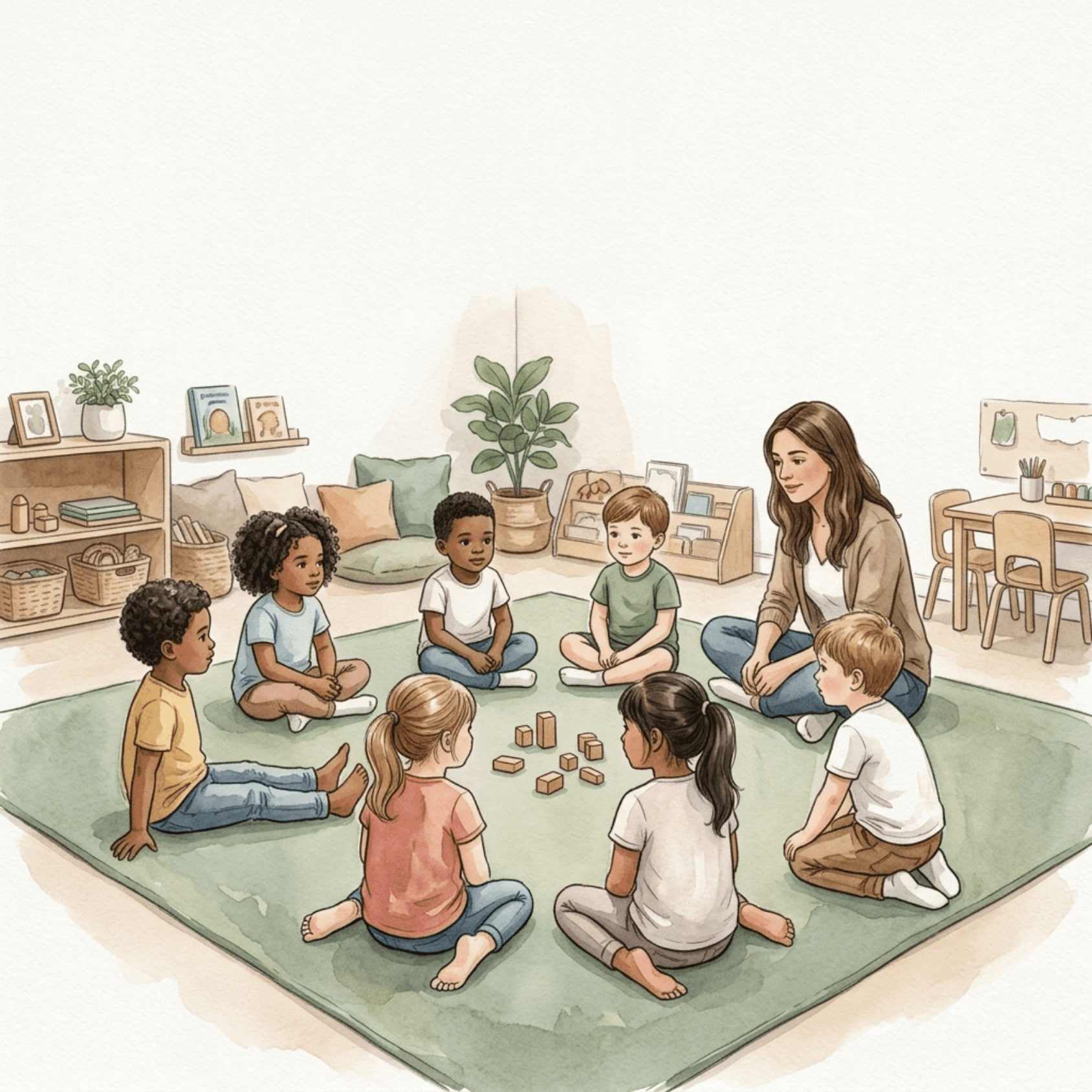
Are you seeing more W sitting in your classroom or kindergarten room too?
It is something I hear educators talking about often, and it is one of those movement patterns that makes me want to look a little deeper.
Not because one sitting position gives us an answer.
It does not.
But when a child repeatedly returns to W sitting, especially when we are seeing other movement difficulties alongside it, I want to know more about what is happening underneath the posture.
Three things I look at
From an Exercise Physiology and developmental movement perspective, there are three areas I am particularly interested in when W sitting appears repeatedly.
Is the Symmetrical Tonic Neck Reflex still strongly influencing the way the child organises their body during crawling, kneeling and other movement patterns?
How well can the child stabilise their trunk when their base of support becomes smaller or when they need to reach and rotate?
What does the child's lower limb mobility look like, including hamstring flexibility and their comfort in different floor positions?
First, I would look at STNR
STNR stands for Symmetrical Tonic Neck Reflex.
It is an early reflex pattern involved in the developmental period when babies are learning to organise their upper and lower body for positions such as hands and knees.
When I am working with an older child who frequently W sits and is also finding crawling, trunk control, cross body movement or maintaining four point kneeling difficult, STNR is one of the movement patterns I want to screen as part of the bigger picture.
I am not saying that STNR is the cause of every child's W sitting.
I am saying that if we are seeing repeated W sitting alongside broader motor difficulties, it is worth looking beyond the sitting position itself.
Other things I would notice
- Does the child find hands and knees positions uncomfortable or difficult to maintain?
- Can they crawl with a smooth alternating pattern?
- Do they struggle to keep their trunk organised while their arms and legs move?
- Can they rotate and reach across the body while sitting or kneeling?
- Do they frequently move back toward a wider, more stable base of support?
- Do they find floor transitions noticeably harder than other children of a similar age?
Then I want to build the trunk, not just change the legs
A child needs their trunk to do a lot more than simply “sit up straight”.
The trunk has to stabilise while the child reaches, turns, crawls, kneels, draws, throws, climbs and moves between positions.
That is why I prefer giving children more opportunities to use their trunk in meaningful movement rather than constantly correcting how they are sitting.
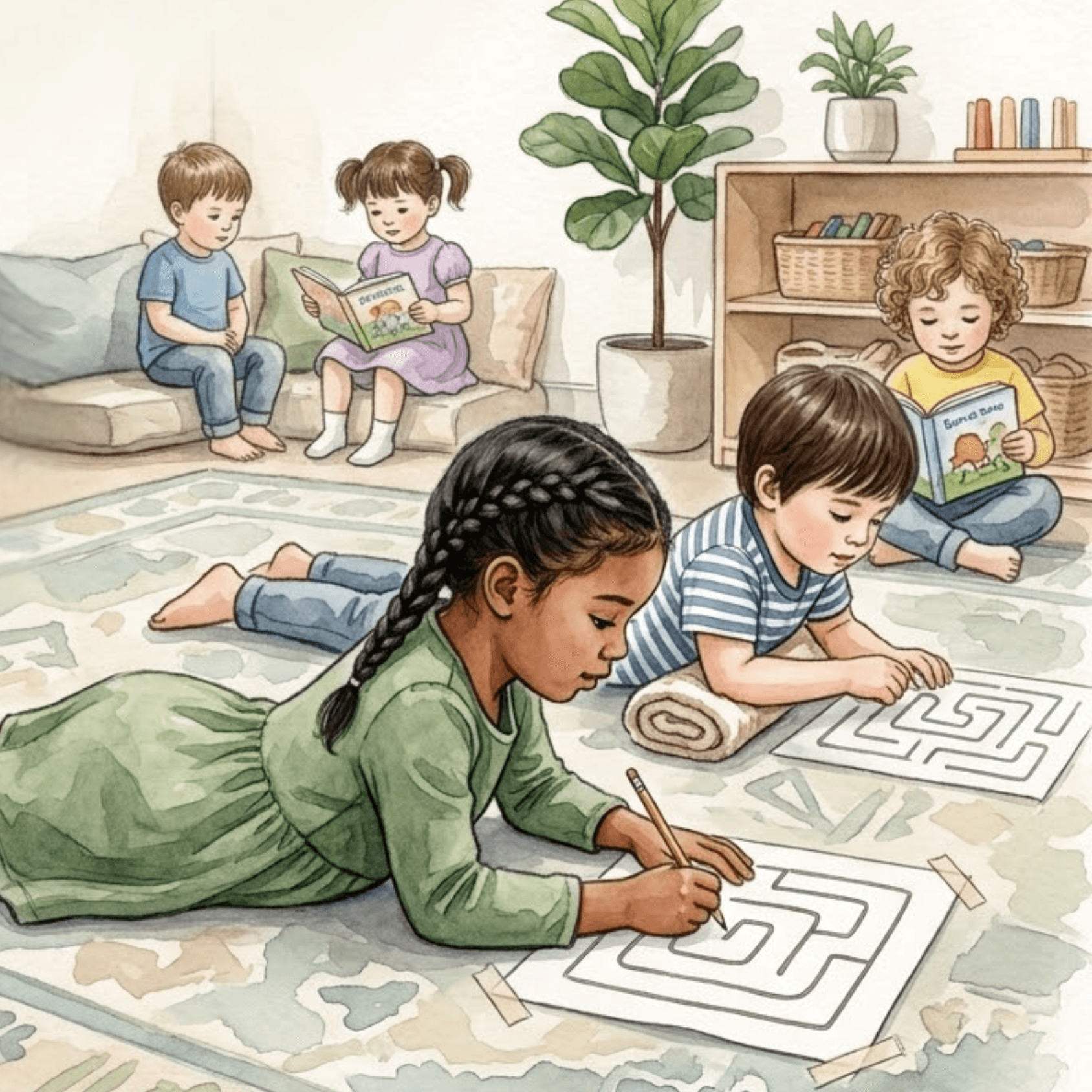
Tummy time style drawing gives the shoulders, neck and trunk work to do while the child stays focused on a meaningful activity.
Try tummy time drawing or a tummy time maze
Place drawing, tracing or maze activities on the floor and let children work while lying on their tummy and propping through their forearms.
Keep it short for children who fatigue quickly. A small rolled towel under the chest can make the position easier.
Over time, you can also include reaching for puzzle pieces, drawing on a slightly raised surface or moving between prone and kneeling positions.
Floor to standing is another movement I like to watch
W sitting is only one snapshot.
I am much more interested in how the child moves between positions.
At the end of group time, watch how they get from the floor to standing.
Can they shift their weight, move through kneeling or half kneeling and stand smoothly?
Or do they need both hands, furniture, several attempts or a very wide base to organise the movement?
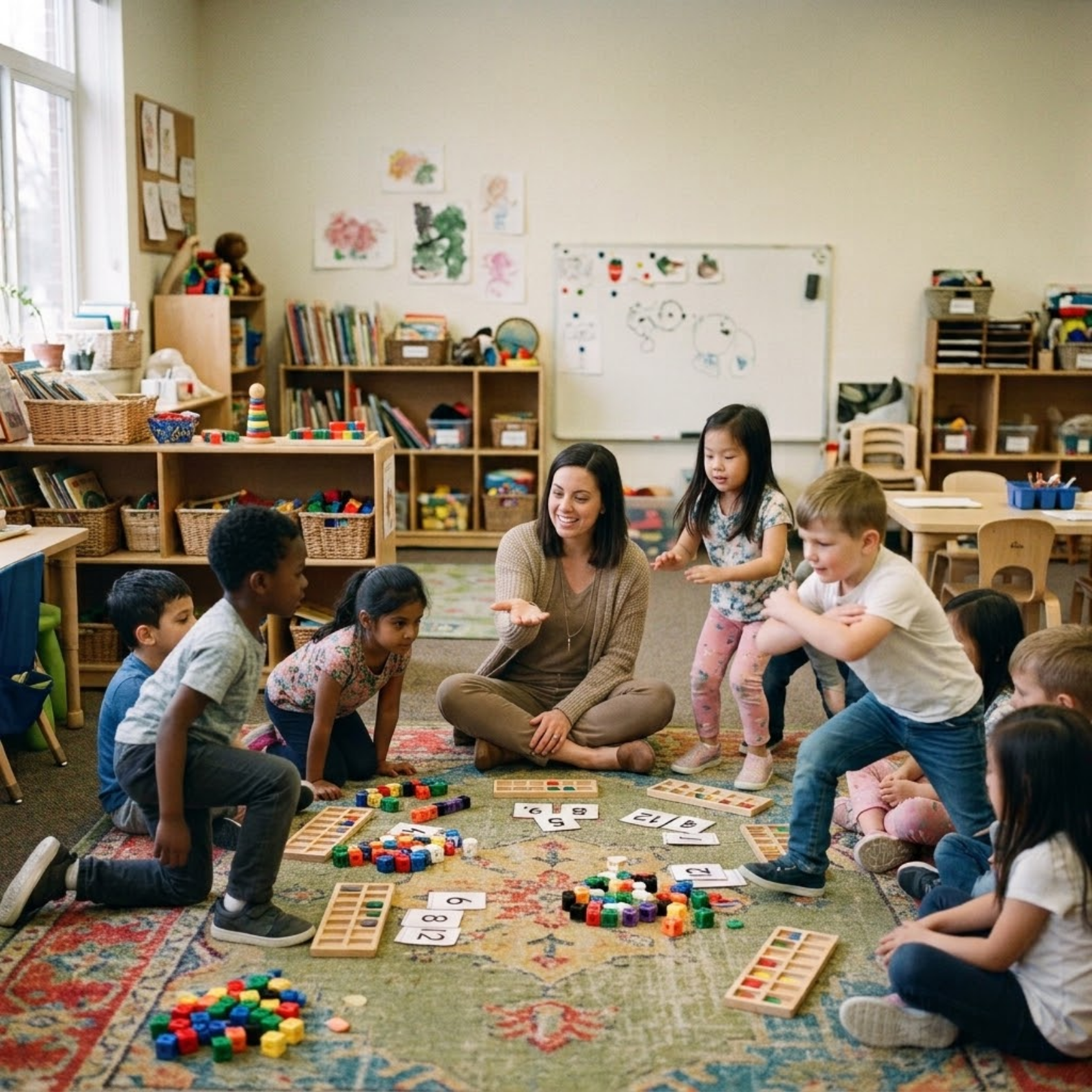
A simple floor to standing transition gives us a chance to notice lower limb strength, balance, trunk control, mobility and motor planning together.
I would also look at hamstring flexibility
I do not want educators diagnosing tight hamstrings from across the room.
But if a child repeatedly avoids sitting with their legs in front, appears uncomfortable in long sitting, or uses a very limited range of floor positions, lower limb flexibility is another part of the movement picture I would consider.
For educators, the practical goal is simply to give children lots of opportunities to use different positions.
Long sitting for a short activity. Side sitting. Cross legged sitting. Tall kneeling. Half kneeling. Crawling. Squatting. Getting up and down from the floor.
Movement variety gives the body something very different from spending long periods in one preferred position.
Think variety rather than perfect posture
This is probably the biggest message I want educators to take from this.
I am not interested in making every child sit in one perfect position.
I want children to have options.
I want them to be able to move comfortably between floor positions, rotate through their trunk, crawl, kneel, reach, shift their weight and get themselves back onto their feet.
Watch Robyn explain it
Want to go deeper into W sitting, STNR and core strength?
I have recorded a video explaining more about the movement patterns I look at and some of the activities I use when I am thinking about STNR, trunk control and W sitting.
Watch the W sitting video on YouTubeWhat educators can do tomorrow
You do not need to turn group time into an assessment session.
Start by noticing.
Give children more opportunities to:
- crawl and move on hands and knees
- draw and play while lying on their tummy
- work in tall kneeling and half kneeling
- reach across their body for toys and learning materials
- move between sitting, kneeling and standing
- sit with their legs in a variety of comfortable positions
- climb, squat, push, pull and carry during play
- get up and down from the floor throughout the day
You might start to see much more when you look at the child's whole movement repertoire rather than one sitting position.